Yala National Park Safari: Complete Guide to Spotting Wild Leopards & Elephants

- Explore Block 1 of Yala—possessing the highest leopard density on Earth
- Encounter wild Asian elephant herds, sloth bears, mugger crocodiles, and spotted deer
- Experience the thrilling excitement of dawn and dusk 4x4 game drives
- Spot over 215 bird species across dry thorn scrublands and coastal lagoons
Yala National Park: Sri Lanka’s Premier Wildlife Sanctuary
Spanning an expansive 979 square kilometers (378 square miles) across the Southern and Uva provinces, Yala National Park is Sri Lanka’s second-largest and undeniably most celebrated wildlife park. Bordering the wild, untamed coastline of the Indian Ocean, Yala’s landscape is a captivating mosaic of monsoon forests, dry open scrublands, brackish lagoons, and dramatic granite rock outcrops (inselbergs).
What sets Yala apart on the global wildlife stage is Block 1 (Ruhuna National Park), which has been scientifically recorded as having the highest concentration and density of leopards in the wild anywhere in the world.
The Star of Yala: The Sri Lankan Leopard (Panthera pardus kotiya)
Unlike leopards in mainland Africa and India that must constantly evade larger apex predators such as lions and tigers, the Sri Lankan leopard is the supreme apex predator of the island. Because they face no evolutionary competition, Yala’s leopards exhibit bolder behavior, frequently lounging openly on colossal granite boulders during early morning hours or strolling leisurely across sandy jeep tracks.
Other Iconic Wildlife to Spot in Yala
- Sri Lankan Sloth Bear: One of the rarest encounters in Yala. These shaggy, insect-eating bears are most frequently spotted between May and July when the sweet, intoxicating fruits of the Palu tree (Ceylon ironwood) ripen.
- Asian Elephants: Solitary tuskers, energetic bachelor herds, and protective mother-calf groups frequently roam the water reservoirs and grassy riverbanks.
- Spotted Deer (Chital): Grazing in herds numbering in the hundreds, these graceful deer serve as the primary prey base for leopards and give sharp alarm barks that alert experienced safari guides to a nearby predator.
- Mugger & Saltwater Crocodiles: Basking lazily with jaws agape on the mudflats of Yala’s ancient man-made tanks and coastal lagoons.
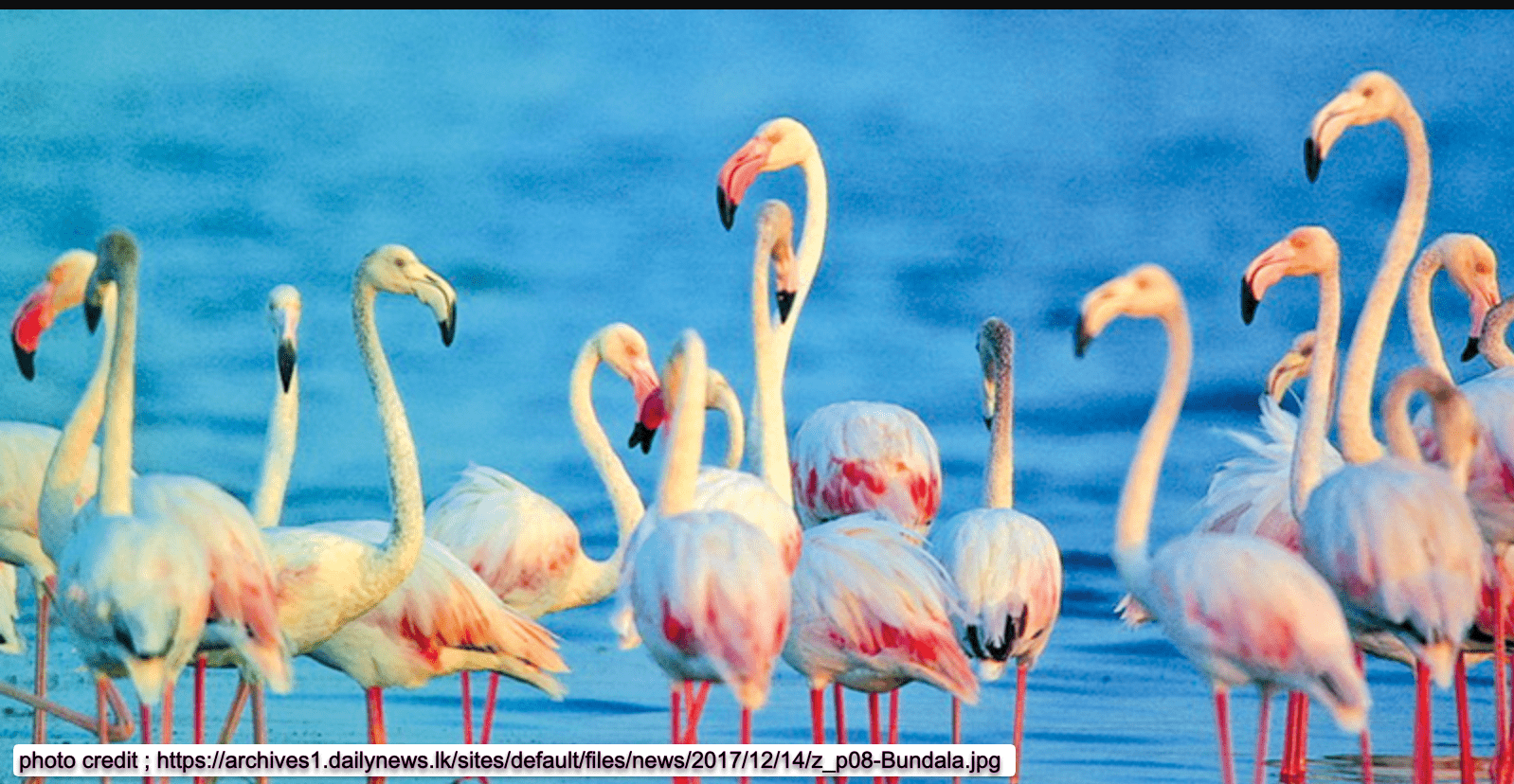
- Prolific Birdlife: Yala is a paradise for birdwatchers, sheltering crested serpent eagles, painted storks, black-necked storks, spoonbills, and colorful bee-eaters.
Morning vs. Afternoon Safaris: Which is Best?
Morning Safari (6:00 AM – 10:00 AM)
Park gates open promptly at 6:00 AM. Wildlife is at its peak activity level as predators finish nocturnal hunts and animals emerge onto warm rocks to absorb the first rays of morning sun. Optimal light for wildlife photography.
Afternoon Safari (2:30 PM – 6:00 PM)
As the scorching midday heat subsides after 3:30 PM, elephants and deer gather around watering holes to drink and bathe. Golden hour lighting across Yala’s coastal sand dunes creates cinematic safari panoramas.
Best Season to Visit Yala
While Yala is accessible year-round, the dry season between February and June/July provides the highest wildlife visibility. As ephemeral water holes dry up, animals are concentrated around the permanent reservoirs and lakes. Note: Block 1 is typically closed for a 4 to 6-week maintenance and rest period during September/October at the peak of the dry season to allow natural flora and fauna rejuvenation. During this window, adjacent blocks (such as Block 5 or Lunugamvehera National Park) remain open.
Safari Etiquette & Essential Tips
- Book an Experienced Tracker & Driver: The difference between an ordinary drive and an unforgettable safari comes down to the expertise, patience, and sharp eyesight of your driver. Travel Pro by Thushan partners exclusively with seasoned local safari naturalists who respect animal welfare and avoid aggressive overcrowding.
- Remain Inside the Vehicle: Never step down from your safari jeep except at designated rest sites (such as the Patanangala beach memorial).
- Silence is Golden: Maintain low voices when approaching wildlife. Loud sudden noises can distress animals and cause them to retreat into dense scrub.
- Protect Your Gear: The dirt tracks of Yala generate fine reddish dust. Bring lens cleaning cloths and dust-protective camera bags.
Want to Visit This Destination with a Private Chauffeur?
Skip congested public transport. Travel Pro by Thushan provides luxury air-conditioned vehicles, punctual airport transfers, customizable day tours, and multi-day bespoke itineraries across Sri Lanka.
Related Sri Lanka Travel Guides
Continue planning your dream adventure across Sri Lanka.
 Cultural Heritage
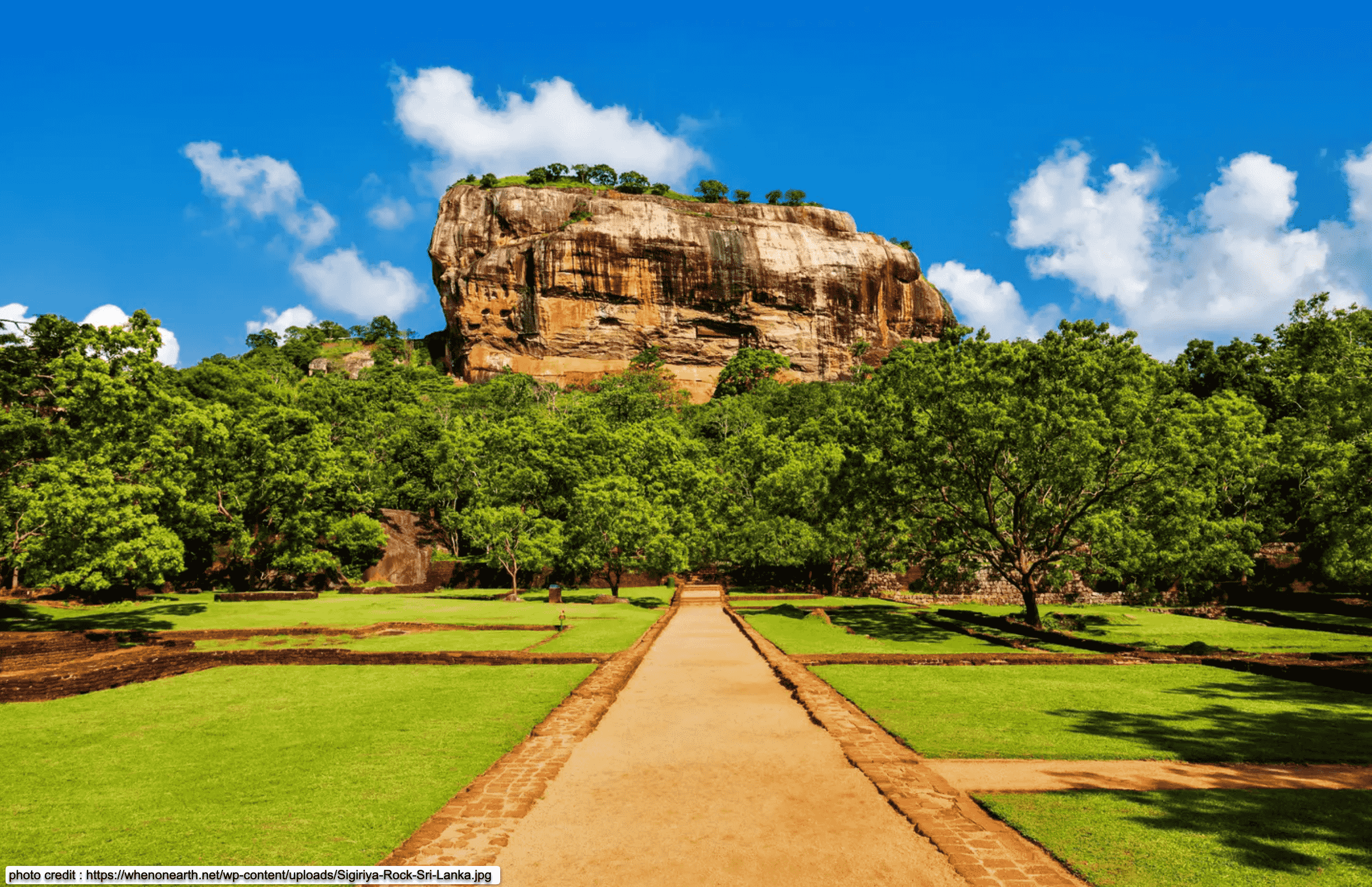
The Ultimate Guide to Sigiriya Rock Fortress: Sri Lanka’s Ancient Sky Palace
 Hill Country & Hiking
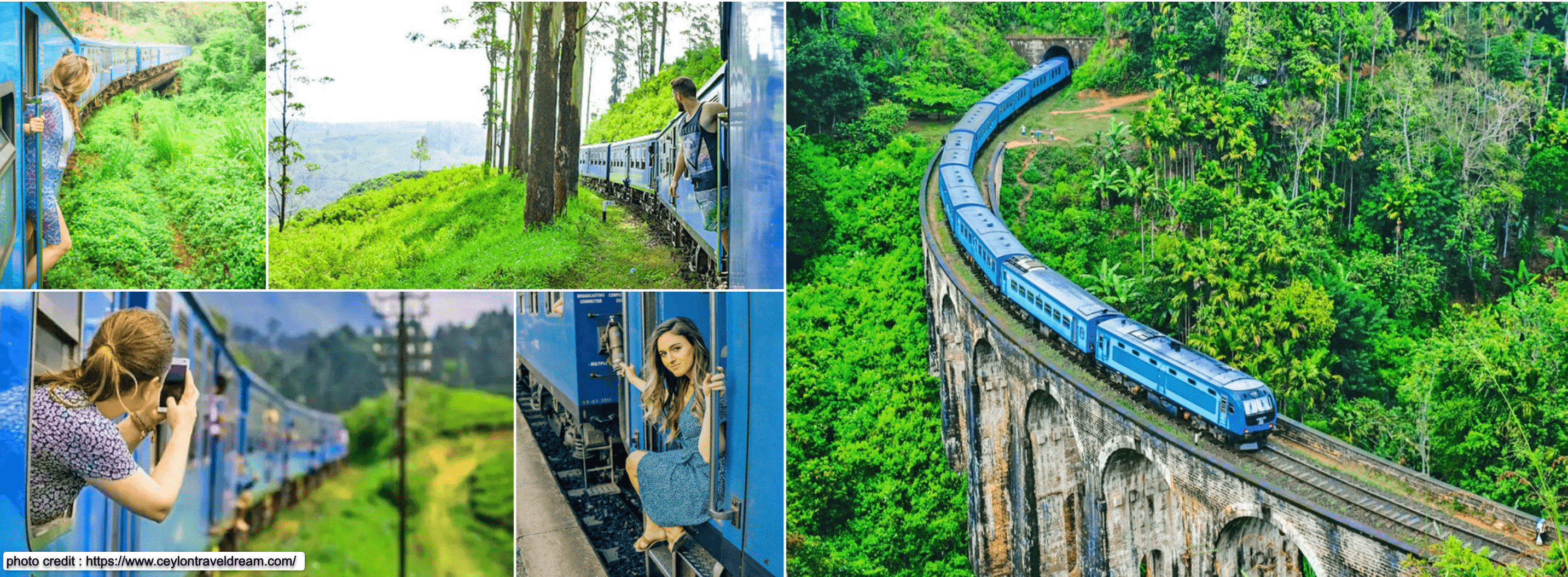
Top Things to Do in Ella: Nine Arch Bridge, Little Adam’s Peak & Hiking Trails
 Cultural Heritage