The Ultimate Guide to Sigiriya Rock Fortress: Sri Lanka’s Ancient Sky Palace

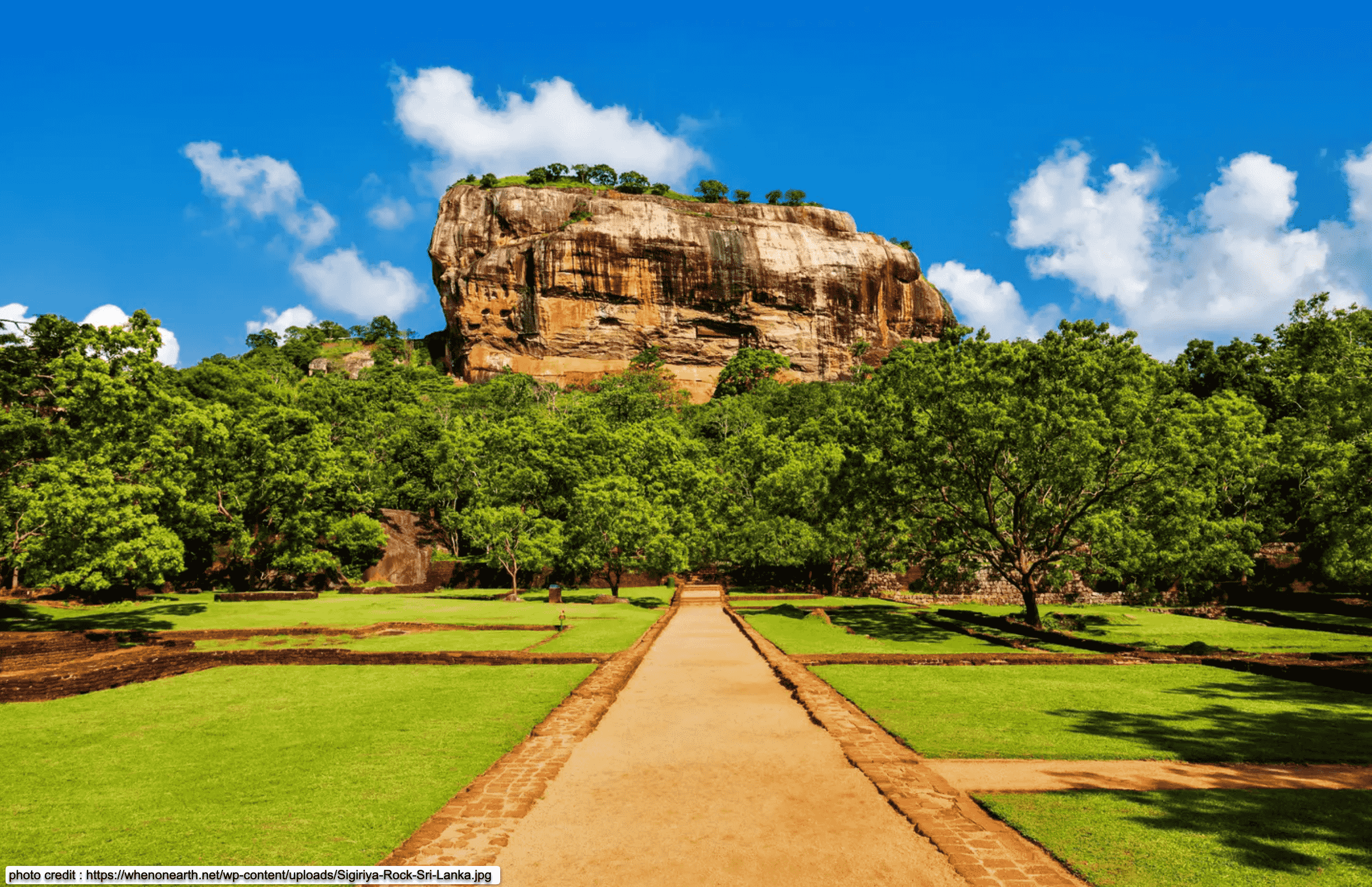
- Ascend 1,200 steps to the 200-meter-high ancient royal summit palace
- Admire the world-famous 5th-century Sigiriya Frescoes painted on sheer rock walls
- Walk past the colossal carved Lion Paws gateway and ancient water gardens
- Marvel at the ancient Mirror Wall with centuries-old Sinhala poetic graffiti
Introduction: Sri Lanka’s Eighth Wonder of the World
Rising dramatically nearly 200 meters (660 feet) above the lush central jungle plains, Sigiriya—also famously celebrated as Lion Rock—is undeniably Sri Lanka’s most recognizable and majestic archaeological marvel. Designated a UNESCO World Heritage site in 1982, this monolithic granite pillar was transformed in the 5th century AD into an impregnable royal fortress and pleasure palace by King Kashyapa.
Whether you are captivated by breathtaking ancient engineering, mesmerizing water gardens, or 1,500-year-old painted frescoes that have defied the elements for centuries, visiting Sigiriya is an absolute highlight of any journey through Sri Lanka's Cultural Triangle.
The Fascinating Tale of King Kashyapa (477–495 AD)
The backstory of Sigiriya is filled with royal drama, ambition, and tragic destiny. According to the ancient chronicle Culavamsa, Prince Kashyapa, son of King Dhatusena by a non-royal consort, seized the throne from his rightful half-brother Moggallana. Fearing retribution and naval invasion from Moggallana who fled to South India to muster an army, Kashyapa relocated the royal capital from Anuradhapura to the formidable rock fortress of Sigiriya.
Over just a few years, Kashyapa’s master architects converted this sheer rock citadel into an earthly replica of Alakamanda, the celestial city of Kuvera (the god of wealth). When Moggallana finally returned with an army in 495 AD, Kashyapa marched down to meet him on the battle plains. In a tragic misunderstanding of tactical maneuvering, Kashyapa’s troops believed he was retreating and scattered; Kashyapa fell on his own sword, and Sigiriya was later handed over to Buddhist monks as a monastery complex.
Key Highlights to Discover at Sigiriya
1. The Royal Water Gardens & Boulder Gardens
As you pass the outer moats, you enter one of the oldest symmetrically landscaped water gardens in human history. The complex hydraulic systems—consisting of gravity-fed underground conduits, bathing pools, fountains that still spray water during rainy seasons, and paved pavilions—showcase an astonishing understanding of hydrodynamics.
2. The Sigiriya Frescoes
Halfway up the rock via a spiral spiral staircase sheltered within a metal cage, you reach a protected natural rock pocket preserving the famous "Sigiriya Damsels." These radiant, life-sized tempera wall paintings depict celestial nymphs (Apsaras) holding lotus blossoms and fruits. Once covering a surface area of over 140 meters, the remaining 22 figures continue to bewitch art historians worldwide.
3. The Mirror Wall & Ancient Graffiti
Adjacent to the fresco gallery lies the polished Mirror Wall (Ketabitigolla). Originally buffed with egg whites, lime, and honey until it shone brilliantly enough for the king to view his reflection, the wall contains etched verses left by pilgrims and visitors between the 6th and 14th centuries. These ancient Sinhala poems celebrate the beauty of the painted damsels and represent some of the oldest preserved vernacular literature in Sri Lanka.
4. The Lion’s Paws Terrace
At the northern plateau lies the dramatic Lion Gate. In ancient times, a colossal sculpted brick and plaster lion stood here, and visitors entered the final ascent directly through the open jaws of the beast. Today, two monumental sculpted lion paws remain, framing the narrow staircase leading to the dizzying sky palace summit.
5. The Summit Palace Complex
The 1.6-hectare flat summit once accommodated multi-tiered palace structures, royal audience platforms, and a massive rock-carved royal swimming pool. Reaching the top rewards you with an awe-inspiring 360-degree panoramic vista across emerald forests, the Pidurangala rock neighbor, and distant blue mountain ridges.
Practical Travel Information for Sigiriya
Entrance Fee
Foreign Adults: $36 USD (approx. 11,000 LKR). SAARC Nationals: $18 USD. Tickets must be purchased at the main Cultural Triangle ticket counter before crossing the outer moat.
Opening Hours
Open daily from 6:30 AM to 5:30 PM (ticket counter closes at 5:00 PM). Early morning entry at 6:30 AM is heavily recommended.
Insider Tips from Travel Pro by Thushan
- Beat the Heat & Crowds: The central plains of Sri Lanka become intensely hot by midday. Start your climb right at 6:30 AM or at 3:30 PM for softer golden hour lighting and cooler breezes.
- Climbing Difficulty: There are approximately 1,200 steps to the summit. While handrails and safety railings are installed throughout, travelers with severe vertigo or mobility issues should take frequent pauses on the shaded terraces.
- Proper Footwear & Hydration: Wear sturdy trainers or walking shoes with good grip. Carry at least 1.5 liters of drinking water (in reusable or paper-wrapped bottles; single-use plastic is actively restricted).
- Watch out for Horns and Wasps: During hot weather, giant Asian honeybees nest on the rock face overhangs. Signposts indicate quiet zones—please avoid shouting, running, or wearing bright neon clothing near the nesting zones.
- Pidurangala Rock: For the ultimate photograph of Sigiriya Rock standing proudly amidst the jungle, schedule an early sunrise climb to Pidurangala Rock (just 2 km north) the following morning!
Want to Visit These Ancient Sites with a Private Chauffeur?
Skip congested public transport. Travel Pro by Thushan provides luxury air-conditioned vehicles, punctual airport transfers, customizable day tours, and multi-day bespoke itineraries across Sri Lanka.
Related Sri Lanka Travel Guides
Continue planning your dream adventure across Sri Lanka.
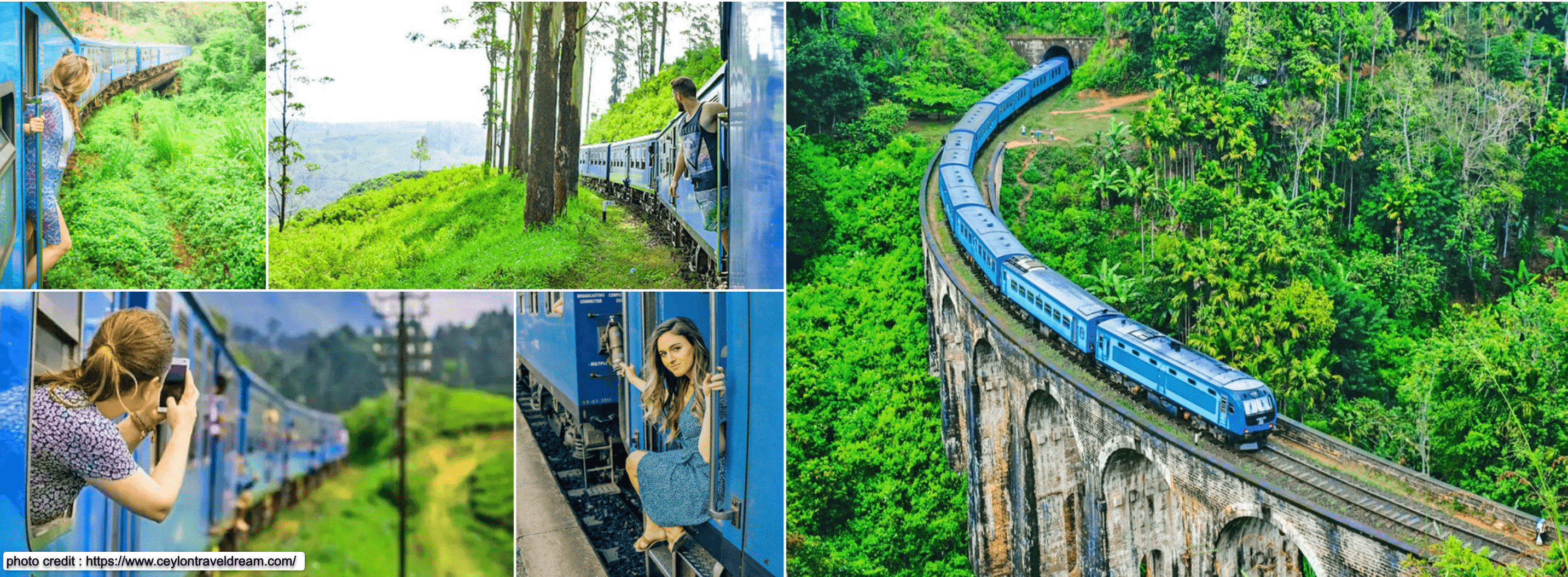 Hill Country & Hiking
Top Things to Do in Ella: Nine Arch Bridge, Little Adam’s Peak & Hiking Trails
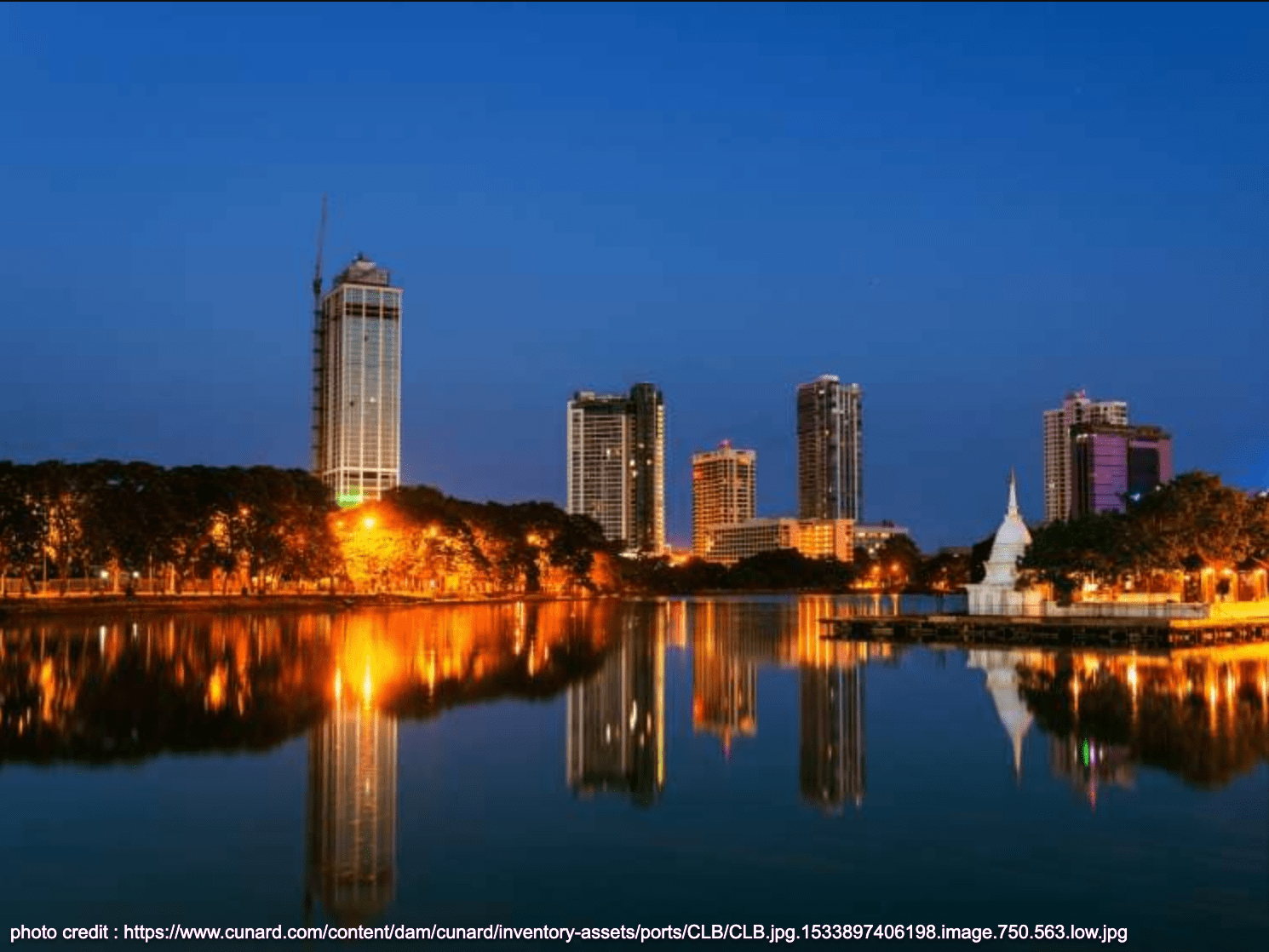 Cultural Heritage
Exploring Kandy: Temple of the Sacred Tooth Relic, Royal Gardens & Culture
 Coastal & Beaches