Dambulla Royal Cave Temple: History, Ancient Frescoes & Golden Buddha Guide

- Step inside 5 sacred rock caves housing 153 Buddha statues and centuries-old mural frescoes
- Stand beneath a 160-meter-high granite outcrop providing panoramic views of Sigiriya
- Marvel at the colossal golden Buddha statue and dragon gateway at the Golden Temple
- Trace 2,000 years of unbroken royal patronage from King Valagamba to the Kandyan Kings
Dambulla: The Grandest Cave Monastery in Sri Lanka
Looming 160 meters (525 feet) above the surrounding central plains of Sri Lanka, the massive granite ridge of Dambulla conceals the largest and best-preserved painted rock cave monastery complex in South Asia. Designated a UNESCO World Heritage site in 1991, the Royal Cave Temple (known locally as Rangiri Dambulu Viharaya - "Golden Rock of Dambulla") contains five separate sanctuary caves sheltering 153 Buddha statues, 3 statues of Sri Lankan kings, 4 statues of Hindu deities, and over 2,100 square meters of vibrant ceiling murals.
The Royal Heritage of King Valagamba
The sanctification of Dambulla dates back to the 1st century BC. King Valagamba (Vattagamani Abhaya) of Anuradhapura was forced to flee his throne following an invasion by South Indian Chola warriors. For 14 years, the king found loyal sanctuary in the hidden caves of Dambulla among ascetic Buddhist monks.
When Valagamba triumphantly recaptured his capital, he expressed his deep gratitude by converting these natural rock shelters into magnificent royal temples. Subsequent monarchs, notably King Nissanka Malla in the 12th century (who gilded the statues in pure gold leaf) and the 18th-century Kandyan kings, continuously expanded, restored, and repainted the subterranean shrines.
Walking Through the Five Sacred Caves
Cave 1: Devaraja Lena (Cave of the Divine King)
Dominated by a monumental 14-meter-long reclining Buddha statue carved directly from the living granite rock face. At the feet of the Buddha stands his beloved disciple Ananda, alongside a statue of the Hindu deity Vishnu (Upulvan).
Cave 2: Maharaja Lena (Cave of the Great Kings)
The largest, most spectacular cave, measuring over 50 meters wide and 7 meters high. It houses 56 statues and two painted likenesses of King Valagamba and King Nissanka Malla. A natural spring drips water continuously from a fissure in the rock ceiling into a golden vessel—even during severe droughts—used exclusively for sacred religious ceremonies.
Cave 3: Maha Alut Vihara (The Great New Temple)
Commissioned in the 18th century by King Kirti Sri Rajasinha of Kandy, this cave features 50 statues, a central seated Buddha under a carved arch, and stunning ceiling murals showcasing the Kandyan artistic revival.
Cave 4: Pachima Vihara (Western Cave) & Cave 5: Devana Alut Vihara
Smaller, intimate caves containing seated Buddha statues, miniature dagobas (stupas), and ceiling artwork depicting scenes from the life of the Buddha and the defeat of Mara.
Essential Visiting Advice
- Ticket Counter Location: You MUST purchase your admission ticket ($10 USD / ~3,000 LKR) at the ticket office at the base of the hill near the Golden Buddha museum before climbing up the rock stairs. Tickets are not sold at the top!
- Climbing the Stairs: The ascent takes approximately 15 to 20 minutes via gently graded stone steps. Friendly (but opportunistic) toque macaque monkeys line the path—keep snacks and plastic bottles concealed inside your backpack.
- Attire & Footwear: Strictly respectful clothing covering shoulders and knees is enforced. Shoes must be deposited at the temple terrace footwear desk for a nominal fee.
Want to Visit These Ancient Sites with a Private Chauffeur?
Skip congested public transport. Travel Pro by Thushan provides luxury air-conditioned vehicles, punctual airport transfers, customizable day tours, and multi-day bespoke itineraries across Sri Lanka.
Related Sri Lanka Travel Guides
Continue planning your dream adventure across Sri Lanka.
 Cultural Heritage
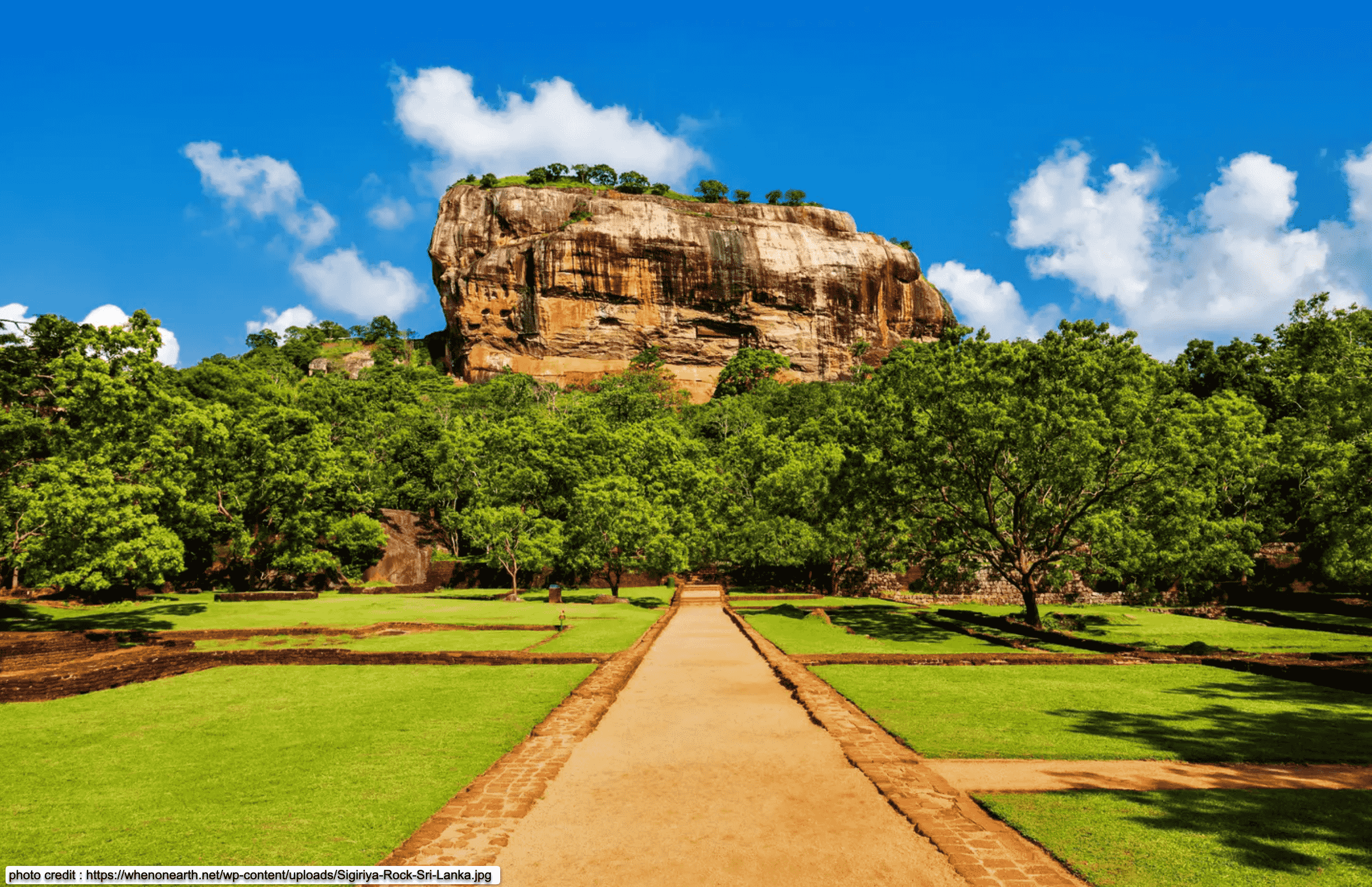
The Ultimate Guide to Sigiriya Rock Fortress: Sri Lanka’s Ancient Sky Palace
 Hill Country & Hiking
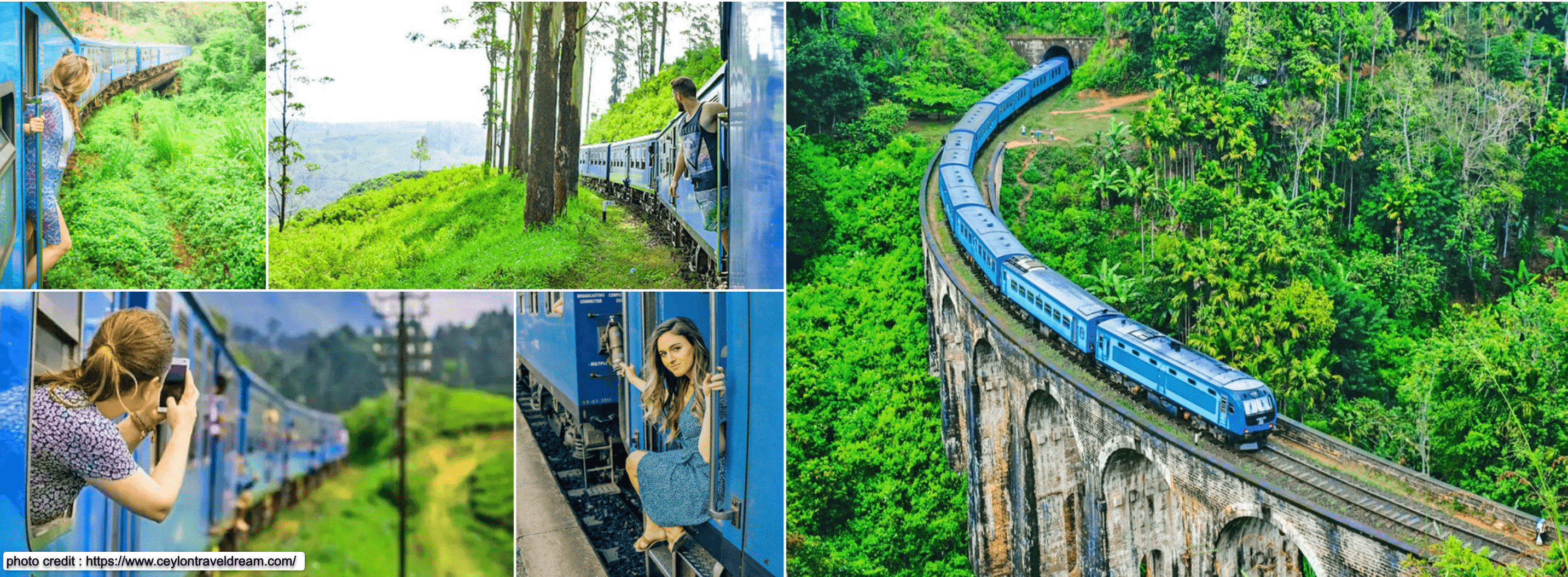
Top Things to Do in Ella: Nine Arch Bridge, Little Adam’s Peak & Hiking Trails
 Cultural Heritage